🌧️ Korea Rainy Season (Jangma) Guide
Introduction
"Does Korea have a rainy season?"
It's one of the most common questions I get from people planning a trip to Korea. Especially if you're heading over during summer vacation or a holiday break, the weather is usually the first thing on your mind. I remember when friends would ask me, "I'm going to Korea in July — what's the weather like?" and I honestly didn't even know where to start.
So here's the short answer: Yes, Korea absolutely has a rainy season. And the timing overlaps almost perfectly with peak summer travel season. In this one post, I'm going to cover everything — the monsoon period, temperatures, what to wear, what to pack, and places you can still enjoy even when it's pouring. Read this to the end and you'll have nothing to worry about.
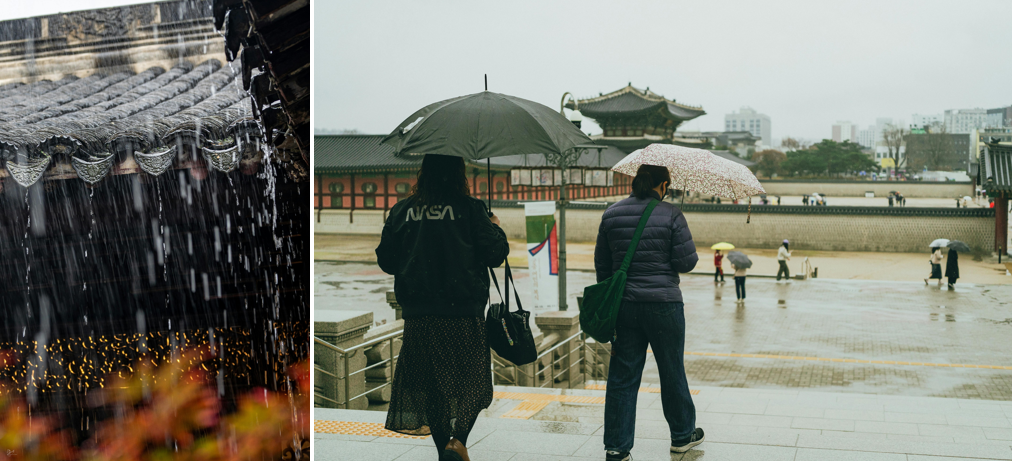
1. When Is Korea's Rainy Season (Jangma)?
Korea's rainy season is called Jangma (장마). It typically runs from late June through late July, lasting about 4 to 5 weeks. The exact dates shift a little each year, but here's a general breakdown by region based on Korea Meteorological Administration averages:
| Region | Monsoon Period (Avg.) |
| Jeju Island | Around June 19 – July 20 |
| Southern Region (Busan, Yeosu) | Around June 23 – July 24 |
| Central Region (Seoul, Gyeonggi) | Around June 25 – July 26 |
Jeju Island gets hit first, and the monsoon front moves northward from there. After August, the official monsoon wraps up — but keep in mind that late August through early September is typhoon season, which can bring its own heavy rain and wind.
2. Average Temperature & Weather During Korea's Monsoon
Korea's rainy season isn't just about rain — the humidity is what really gets you. If you're used to dry climates, Korea's summer heat might genuinely catch you off guard.
Seoul Monsoon Stats:
• Average temperature: 23–27°C (73–81°F)
• Peak temperature: Up to 33°C (91°F) or higher
• Average humidity: 80–90%
• Monthly rainfall: Around 300–400mm
To put 80–90% humidity in perspective — you'll start sweating the moment you step outside. One important thing to know: it doesn't rain all day, every day. It might pour for an entire week straight, then suddenly clear up. The unpredictability is real.
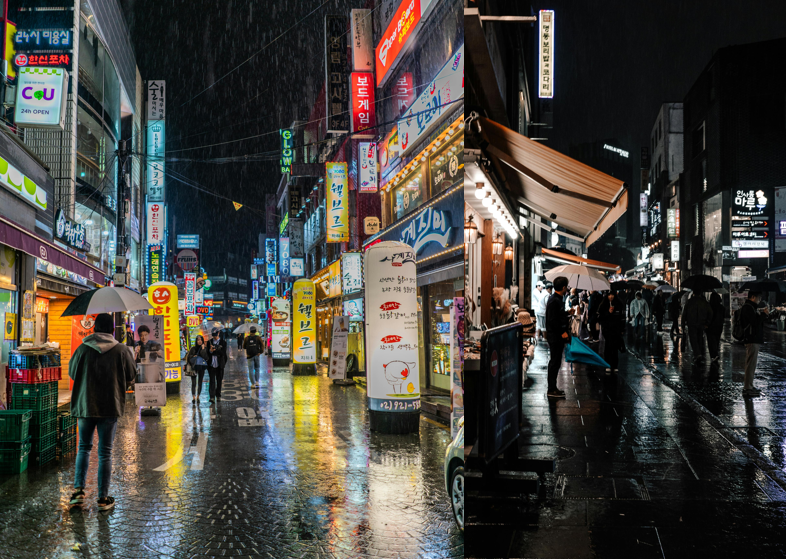
3. What to Wear in Korea During Rainy Season
The golden rule: light, quick-drying, breathable fabrics.
- Tops: Linen short-sleeves, moisture-wicking athletic tees. (Avoid 100% cotton as it stays wet).
- Bottoms: Shorts, linen pants, loose wide-leg pants. (Avoid jeans).
- Shoes: Waterproof sandals, Crocs, water-resistant sneakers.
- Outerwear: Lightweight waterproof windbreaker or a poncho.
Things to leave at home:
Suede shoes, white cotton t-shirts (they go see-through when wet), and heels with no grip should be avoided.
4. Rainy Season Korea Packing Checklist
| Must-haves | Compact folding umbrella, Poncho, Waterproof pouch for phone/passport, Spare shoes. |
| Personal Care | Cooling wipes, Sunscreen (UV is still strong), Antacids/Cold medicine. |
| Buy Locally | Umbrellas and waterproof flip-flops are cheap at Daiso. |
5. Places to Visit in Korea Even on Rainy Days
Don't let the rain ruin your plans. Some places in Korea are honestly better when it's raining.
Top Indoor Spots:
- National Museum of Korea (Seoul): Free entry and massive enough for a whole day.
- Lotte World (Seoul): Large indoor theme park area.
- Busan Cinema Center: Incredible architecture and indoor cultural spaces.
- Itaewon & Hongdae Café Streets: Perfect for a rainy day café crawl.
Atmospheric Outdoor Spots:
Gyeongbokgung Palace and N Seoul Tower take on a completely different, moody charm in the mist and rain. Perfect for unique photography.
6. Local Tips for Traveling Korea During Monsoon Season
- ① Use the KMA Weather App: More accurate than Google Weather for local forecasts.
- ② Convenience stores are your best friend: CU, GS25, 7-Eleven are open 24h for umbrellas and ponchos.
- ③ Maximize subway travel: Best air-conditioned transport that avoids the rain.
- ④ Be careful with street food: High humidity can affect food safety; eat it fresh and hot.
- ⑤ Keep your itinerary flexible: Schedule outdoor activities for the morning.
Final Thoughts
There's a certain charm to rainy season travel in Korea that most people don't expect — fewer crowds, cozier cafés, and a completely different side of the country. Pack your layers, bring a good umbrella, and enjoy the unique atmosphere of Jangma.
Drop any questions in the comments — happy to help! 🌧️
KoreaWithLocal — Real travel information from someone who actually lives here.
Seoul Rainy Day Travel Guide — Best Indoor Places & Tips


