Table of contents
The short answer — and why it surprises so many visitors
If you're coming from the US, this might be one of the most genuinely relieving things you'll read before your Korea trip. Tipping culture varies so much from country to country that it's one of those things I always look up before traveling anywhere new. Get it wrong and you either offend someone, overpay, or create an awkward situation at the end of an otherwise great meal.
Korea makes this easy.
You do not tip in Korea. Not at restaurants, not in taxis, not at hotels. Leaving a tip can actually cause confusion — staff may run after you to return the money, genuinely unsure what to do with it.
For visitors from the US where 18–20% tipping is essentially mandatory, this takes some getting used to. You finish a meal, the service was excellent, and every instinct tells you to leave something on the table. In Korea, that instinct will lead you astray. Walking out after paying exactly what the bill says is completely normal — expected, even. No awkwardness, no side-eyes, no calculation required.
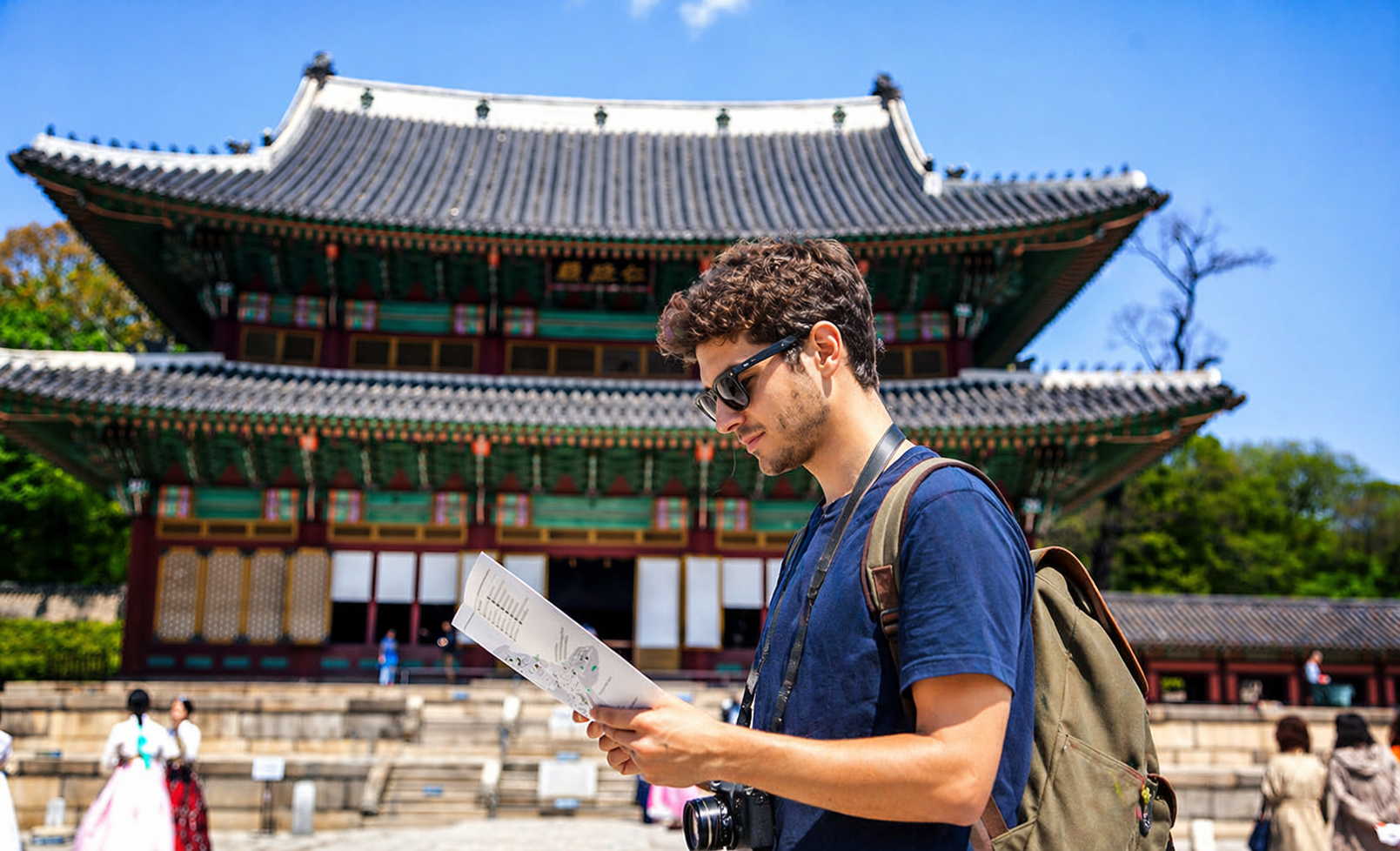
Korea is a no-tip country
Korea sits alongside Japan as one of the most well-known no-tip cultures in the world. The underlying assumption is that the price you pay for a service already includes the service itself — there's no expectation of a supplementary payment on top of that. This applies across the board, from street food stalls to five-star hotel restaurants.
I've lived in Korea my whole life and I have genuinely never tipped anyone in this country. It simply doesn't come up. The concept isn't embedded in the service culture here the way it is in the US or parts of Europe. Workers in the service industry don't factor tips into their expected income, and customers don't factor tips into their expected spending. Everyone's on the same page.
And the service quality? Consistently excellent, without the tip. Korean convenience stores, restaurants, and cafés deliver fast, attentive service as a baseline — not as something that needs to be incentivized through gratuity. That's just the standard here.
Tipping at restaurants
No tip needed — at any type of restaurant. It doesn't matter whether you're at a local neighborhood diner, a trendy Seoul café, or a high-end restaurant in Gangnam. The bill you receive is the amount you pay. Nothing more expected.
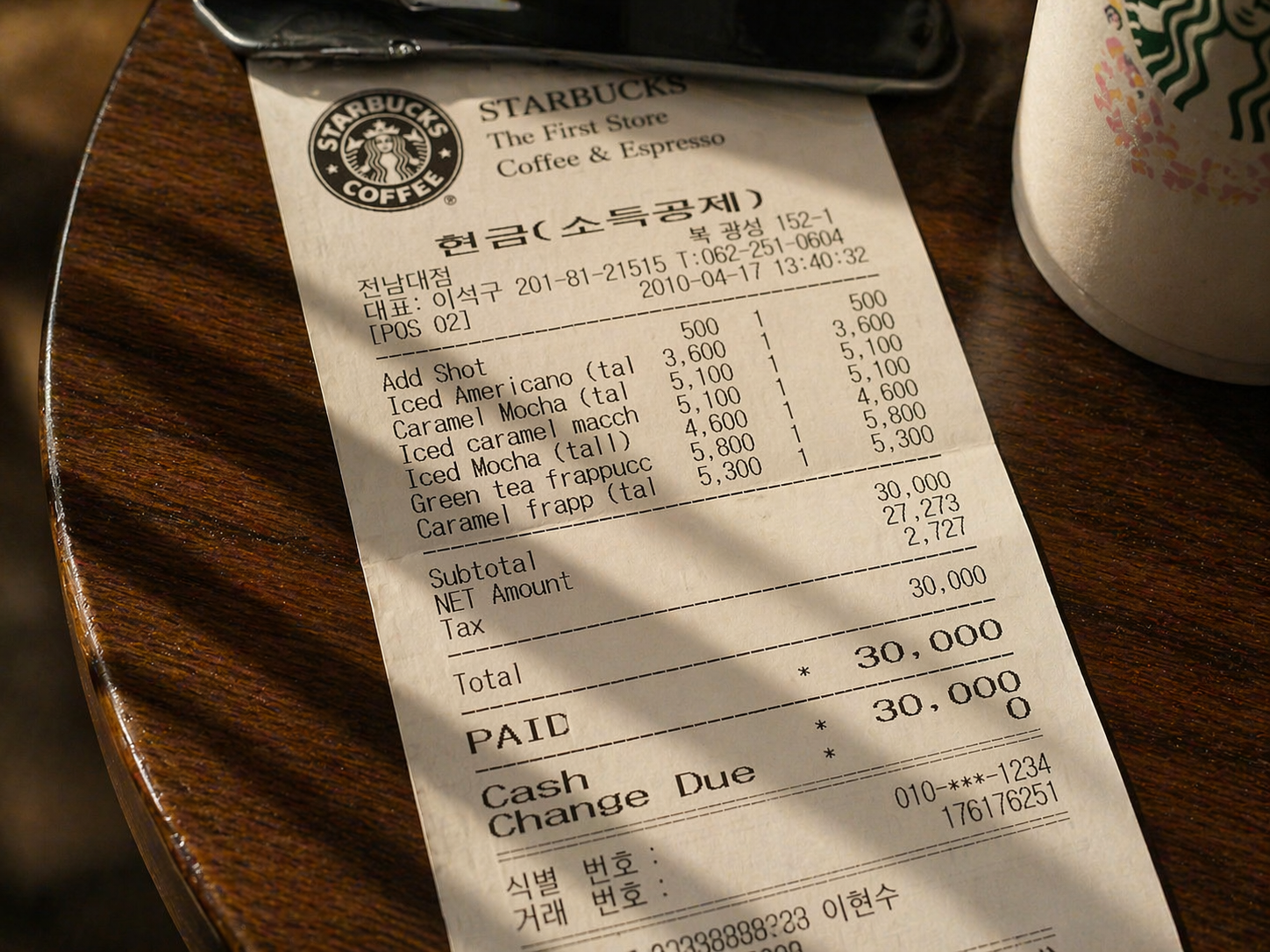
The one thing worth checking: some upscale hotel restaurants and international chain restaurants occasionally add a service charge (usually 10%) directly to the bill. If that's already included, there's absolutely no need to add anything on top. Always glance at the itemized receipt before paying — you'll see it listed if it's there.
If the service was genuinely wonderful and you want to express that — a sincere "gamsahamnida" (감사합니다, thank you) as you leave means more than any amount of money left on the table. Korean service workers respond to genuine appreciation. A smile and a thank you go a long way.
Tipping in taxis
No tip in taxis. Pay the metered fare and that's it. If you're using the Kakao Taxi app — which I'd recommend to anyone visiting Korea — the fare is shown upfront and payment is handled through the app, so there's no cash exchange at all.
If you're paying cash and the change comes to a small amount (a few hundred won), some visitors choose to wave it off with "it's okay." This isn't really a tip in the Korean sense — the driver will likely accept it without much thought either way. But it's not something locals do as a standard practice.
Some ride-hailing apps have started adding optional tip prompts at the end of trips. Korean users almost universally skip this. You're welcome to ignore it too — no one expects it.
Tipping at hotels
No tipping at hotels is the norm. The bellhop who carries your luggage, the housekeeper who services your room, the concierge who helps with recommendations — none of them expect a tip. Leaving cash on the pillow or pressing money into someone's hand will likely create more confusion than appreciation.
The exception, if there is one, is international luxury hotel chains (Marriott, Hilton, Four Seasons, etc.) that cater heavily to foreign guests. Staff at these properties are familiar with tipping culture from international visitors, and leaving a small amount won't cause confusion. But it remains entirely optional — there's no expectation, no obligation, and no awkwardness either way.
Tour guides and travel services
This is the one area where things are slightly less clear-cut. Private tours and English-language guided experiences — DMZ tours, food tours, temple visits, K-drama location tours — are increasingly operated by companies familiar with international visitors, and a quiet tip culture is starting to develop in this specific space.
It's not expected, but it's becoming accepted. If your guide spent the whole day going above and beyond, spoke excellent English, shared personal stories, and made your trip genuinely better — a modest tip is something they'll understand and appreciate. Think of it as genuinely optional rather than obligatory. No one will be offended if you don't, and no one will be embarrassed if you do.
This really only applies to private or small-group experiential tours. Bus tours and standard group packages? No tip needed or expected.
Delivery and other services
Korea's food delivery culture is world-class — fast, reliable, and everywhere. Delivery riders receive no tips. The delivery fee is already built into the app payment, and that's the end of the transaction. Handing cash to a delivery rider would genuinely confuse them.
Hair salons, nail salons, and massage shops follow the same rule. You pay the posted price for the service. Nothing extra is expected or needed. The price on the menu is the price you pay.
Why doesn't Korea have a tipping culture?
It's a reasonable question, especially if you come from a country where tipping is deeply embedded.
Part of it is a cultural assumption that the service is already priced into what you're paying. When you pay ₩15,000 for a bowl of Korean beef soup, that amount covers the food, the preparation, and the service. There's no separate accounting for the server's effort.
There's also a cultural dimension around dignity and professional pride. Accepting extra payment for doing your job well can feel uncomfortable in Korean work culture — almost as if it implies the base service wasn't sufficient, or that the worker needs charity. That's not universally how people feel, but it's part of why the culture developed the way it did.
And structurally: service industry workers in Korea are paid a proper wage from the start. Unlike the US system where base wages for tipped workers can be extremely low and tips make up the difference, Korean workers aren't depending on gratuity to reach a livable income. The business model doesn't require it.
How to show appreciation the Korean way
Not tipping doesn't mean not expressing gratitude. It just means the way you do it here looks a little different.
Say thank you — genuinely. "Gamsahamnida" (감사합니다) on your way out, or even just a warm smile and a nod, means something real here. Korean service workers notice when a customer actually acknowledges the experience rather than just walking out. It takes two seconds and it lands.
Leave a review. This one genuinely matters in Korea. Naver reviews, Google reviews, and Kakao Map reviews are how small businesses survive and grow. A positive review from a foreign visitor carries weight and visibility. If a restaurant, café, or guesthouse gave you a great experience, a few sentences in a review is the most useful thing you can do — more helpful than any tip.
Come back. In Korean small business culture, the regular customer — the person who returns — is the greatest compliment an owner can receive. If you're visiting Seoul again, going back to the same neighborhood restaurant you loved on your last trip is more meaningful than you might think.
Korea is one of the genuinely easy countries to navigate when it comes to tipping — no calculation, no social pressure, no wondering if you got the percentage right. Pay the bill, say thank you, leave a review if you loved it. That's all it takes. Have an amazing trip!


