Korean holidays & busy periods a local says to avoid.
- Intro — Korea moves as one during holidays
- Seollal (설날) — Lunar New Year
- Golden Week — Children's Day cluster
- Chuseok (추석) — Korean Thanksgiving
- October holiday cluster — consecutive long weekends
- 2026 dates at a glance — what to avoid and when
- If your trip overlaps with a holiday — what to do
- Final thoughts — timing your Korea trip wisely
Intro — Korea moves as one during holidays
I have a complicated relationship with Korean holidays, and I think a lot of Koreans do. When I was young, I loved them — the whole family gathered together, everyone eating well, the feeling of everything pausing at once. It was festive and warm and I genuinely looked forward to it. Then came adolescence, and suddenly the long drive to the countryside felt tedious, and sitting through relatives asking questions I didn't want to answer felt like rather a lot. The magic faded somewhat.
Then I became an adult with a job, and holidays transformed into something completely different: free time. Pure, unscheduled, glorious free time. No family obligations, no itinerary — just sleeping in, going to a café, eating whatever I wanted, occasionally taking a spontaneous trip somewhere. That version of Korean holidays was honestly wonderful. The whole city quieter than usual, everyone else at their hometowns, and me just... resting. I loved it.
And then I got married and had children, and now? Now Korean holidays are full-time work in a different uniform. Visits to family, keeping the kids entertained, planning trips that work for small people, making sure everyone is fed and happy. I say this with love — but the holiday as "rest" has become a fairly distant memory. Ha.
I share all of this because it captures something true about what Korean holidays actually are: they mean something different depending on where you are in life, but they always mean that Korea is on the move. Everyone is going somewhere — to a hometown, to a resort, to a family gathering, to a park with their children. The roads fill up, the trains sell out, the tourist spots hit capacity. If you're visiting from abroad during one of these periods, you'll feel that movement everywhere you go. This guide gives you the honest picture so you can plan accordingly.
Periods to think twice about: Seollal (Feb 14–18, 2026), Golden Week around Children's Day (May 1–6, 2026), Chuseok (Sep 24–27, 2026), October holiday cluster (Oct 3–11, 2026). These are the four main congestion windows for international visitors.

Seollal (설날) — Lunar New Year
Seollal is Korea's most significant traditional holiday — the Lunar New Year, when families across the country return to their hometowns for ancestral rites, family meals, and the kind of gathering that Koreans organize their calendars around. This is the single largest migration event in Korea's annual calendar. Tens of millions of people move simultaneously, and the highways and train lines reflect that in ways that are genuinely extraordinary.
2026 dates
Seollal 2026 falls on February 17 (Tuesday). The official public holiday runs February 14 (Saturday) through February 18 (Wednesday) — a five-day stretch. When you factor in surrounding weekends, many Koreans take the entire period off. This is an extended national pause.
What actually happens
The highways leading out of Seoul — toward Busan, Gwangju, Daejeon, and regional cities — become some of the most congested roads in the country for several days. A journey that normally takes two hours can take six or eight. KTX tickets for holiday-adjacent dates sell out weeks, sometimes months, in advance. Many smaller local restaurants, neighborhood cafés, and family-run shops close entirely for several days — the owners go home too.
Seoul itself becomes noticeably quieter as residents leave for their hometowns, while major tourist attractions remain open and can actually be less crowded than usual. But if you're planning to travel between cities — Seoul to Busan, Seoul to Gyeongju, anywhere by intercity transport — during this window, you're competing with the entire country for the same seats.
Traveler impact
Book intercity transport as early as possible if your trip overlaps with Seollal. Accommodation in popular areas may be available but prices rise. The silver lining: Seoul's tourist districts are often more relaxed during the holiday itself, since domestic travelers have left. If you're staying in Seoul the whole time and not trying to go anywhere, the Seollal period can actually be quite pleasant — quieter streets, easier access to normally crowded spots.
Golden Week — the May 1–5 holiday combo that shuts Korea down
This is the one that catches international visitors most off guard, because it doesn't look dramatic on paper — until you're in the middle of it. Korea's May Golden Week (황금연휴) is built around a deceptively powerful combination of two back-to-back holidays that, together, effectively pause the entire country for five days straight.
The combo: Workers' Day + Children's Day
May 1st is Workers' Day (근로자의 날) — not an official public holiday in the legal sense, but a day that the vast majority of Korean companies give employees off as standard practice. It functions as a day off for almost everyone. May 5th is Children's Day (어린이날) — a full national public holiday, one of the most family-oriented days on the Korean calendar. Every family with children is going somewhere.
The days in between — May 2, 3, 4 — are regular weekdays, but most Korean workers take these as annual leave to bridge the gap, creating a five-day continuous break from May 1 through May 5. In 2026, May 5th falls on a Tuesday, so May 1 (Friday-adjacent) through May 5 forms a natural five-day run that essentially functions as a week off for much of the country. The result is Korea's single busiest domestic travel window of the entire year — happening right in the middle of the most beautiful weather month.
What actually happens
Every popular destination in Korea is at its maximum capacity. Jeju flights sell out weeks in advance. KTX seats to Busan, Gyeongju, and Gangneung disappear entirely. Seoul's Gyeongbokgung, Namsan, Han River parks, and all major tourist attractions hit their highest foot traffic of the year. Accommodation prices in popular areas spike sharply. Theme parks, family restaurants, and children's museums have lines that would normally take 20 minutes stretching to an hour or more — because this is a holiday specifically centered on children, and every Korean family with kids is out doing something.
The highways are a particular story. The roads out of Seoul toward popular destinations become some of the most congested in the year. A drive that normally takes two hours can take four or five. Even within Seoul, weekend traffic during this period is noticeably heavier than usual.
Traveler impact
If you're visiting Korea in May — which is otherwise genuinely one of the best months to come — plan your major sightseeing for May 6 onward, or arrive before April 30. The days immediately before and after Golden Week are significantly calmer. If your dates do land in the May 1–5 window, book everything as far in advance as possible: transport, accommodation, any ticketed attractions. And if you're visiting popular spots during this period, arriving at 8–9am before the crowds build is the single most effective strategy — the difference between early and mid-morning is enormous during Golden Week.
Chuseok (추석) — Korean Thanksgiving
Chuseok is the autumn counterpart to Seollal — Korea's harvest festival and the second great homecoming of the year. Families gather, ancestral rites are performed, and the highways fill up in the same way they do during Seollal. It is equally disruptive to travel logistics and equally important to plan around.
2026 dates
Chuseok 2026 falls on September 25 (Friday). The official holiday runs September 24 (Thursday) through September 27 (Sunday) — a four-day stretch. The day before and after the official holiday are also extremely congested as people travel to and from their hometowns.
What actually happens
The same pattern as Seollal: highway gridlock in both directions, train tickets sold out, local businesses closed. Chuseok falls in late September or early October, which is otherwise one of the best times to visit Korea — the summer heat has broken, the air is clear, and autumn color is beginning. The holiday itself sits right in the middle of peak travel season, which makes the timing particularly important to know about.
One additional thing worth knowing: many traditional restaurants and smaller local spots close during Chuseok in ways that can catch visitors off guard. The places that would otherwise be your best lunch option may simply have a closure notice on the door. This is more of an issue in residential neighborhoods than in major tourist districts, but it's worth having backup options.
Traveler impact
If you're visiting Korea in late September, build your itinerary around Chuseok rather than ignoring it. Book intercity transport very early. Consider staying in Seoul during the holiday itself — the city is actually more peaceful when residents leave — and saving intercity travel for the days immediately before or after the main holiday window.
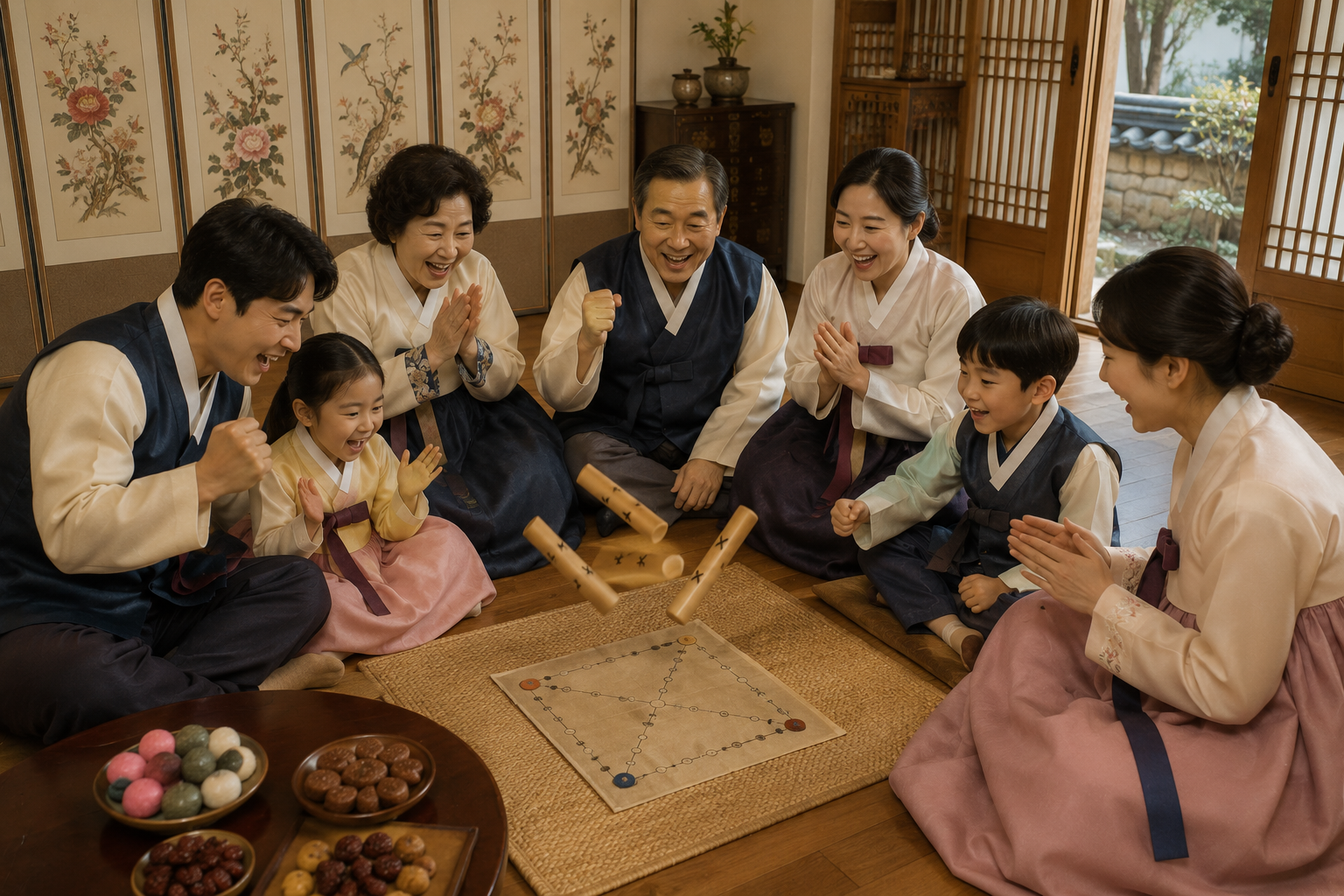
October holiday cluster — consecutive long weekends
October 2026 deserves special mention because it contains an unusually concentrated run of public holidays. National Foundation Day (개천절) falls on October 3 (Saturday), with a substitute holiday on October 5 (Monday), giving a three-day weekend. Hangul Day (한글날) falls on October 9 (Friday), extending through October 11 (Sunday) — another three-day weekend. These two clusters sit just one week apart.
The result is that the first two weeks of October 2026 feel like an extended holiday season. Both weekends see significant domestic travel movement, accommodation prices rise throughout the period, and popular autumn foliage destinations become very crowded. October is already Korea's most popular domestic travel month — the autumn weather is exceptional — and the holiday clustering makes competition for travel resources even more intense than usual.
If you're planning an October Korea trip, mid-October (roughly Oct 12–24) is the sweet spot — past the back-to-back holiday cluster, still within peak autumn foliage season, and significantly less congested.
2026 dates at a glance — what to avoid and when
Seollal — February 14–18, 2026
Lunar New Year. National homecoming. Highway gridlock, sold-out trains, many local businesses closed. Intercity travel very difficult without advance booking.
Golden Week — May 1–5, 2026
Workers' Day (May 1) + Children's Day (May 5) = five-day combo that most Koreans take as a full break. Korea's single busiest domestic travel window of the year. All popular destinations at maximum capacity, KTX sold out, accommodation prices spike. Book everything early or shift your dates to before April 30 or after May 6.
Chuseok — September 24–27, 2026
Korean Thanksgiving. Second major national homecoming. Same transport and logistics challenges as Seollal. Falls during peak autumn season — plan carefully.
October holiday cluster — October 3–5 and October 9–11, 2026
Two consecutive three-day weekends. High domestic travel volume throughout early October. Mid-October is significantly better for visitors.
Best windows to plan around these periods:
April (before Golden Week) · May 7–31 (after Golden Week) · June (underrated, pre-monsoon) · September 1–23 (before Chuseok) · October 12–31 (after the October cluster)
If your trip overlaps with a holiday — what to do
Sometimes you can't move your dates. Here's how to make the best of it.
Book transport immediately. KTX seats for holiday-adjacent dates sell out fast. As soon as you know your travel dates overlap with a Korean holiday, open the Korail Talk app or Letskorail website and book your intercity transport. Don't wait.
Stay in Seoul if you can. During Seollal and Chuseok, Seoul actually becomes quieter as residents leave. Tourist attractions remain open and are often less crowded than usual. If intercity travel looks impossible, a Seoul-focused itinerary during the holiday itself can be genuinely pleasant.
Arrive early at popular spots. During Golden Week and the October cluster, the difference between arriving at 8am and arriving at 10am at a major attraction is dramatic. Early morning visits are the single most effective strategy for managing crowd levels.
Have backup restaurant plans. During Seollal and Chuseok especially, smaller local restaurants may close. Department store food courts and major chain restaurants typically stay open. Check Google Maps for hours before heading out to eat.
Embrace the holiday energy. There's something genuinely special about Korea during its major holidays — the festive atmosphere, traditional activities at cultural sites, the sense of a country pausing together. If you go in with realistic expectations about logistics, holiday Korea can be a memorable experience rather than a frustrating one.
Final thoughts — timing your Korea trip wisely
Korea's holiday calendar is intense, predictable, and worth understanding before you book. The good news: once you know which dates to work around, the rest of the year offers excellent conditions for visitors. May (outside Golden Week), October (after the holiday cluster), April, and November are all wonderful windows with minimal holiday disruption.
The traffic during Korean holidays is something I've lived with my whole life and I still find it striking every year. The highways turn into parking lots. The platforms fill up. The whole country seems to be going somewhere at once. And depending on your age and life stage — whether you're free and solo, or traveling with family, or somewhere in between — the meaning of these holidays shifts completely. That, in a way, is what makes them so distinctly Korean.
If you prefer a quieter, more relaxed Korea, these are the periods to avoid. If you don't mind the energy and plan well in advance, they can be experienced too — just differently. Either way, knowing what you're walking into makes all the difference. Have an amazing trip!


